Travel
Phnom Kulen – More Than Just a Mountain
About 30 kilometres northeast of Siem Reap, a mountain rises out of the jungle—a place considered one of the most sacred to the Khmer people: Phnom Kulen, also known as the “Mountain of the Lychee”. In this tranquil and mystical setting, breathtaking nature meets remarkable traces of human history and relics. But the 487-metre-high mountain is not only visually stunning…
History
In 802 AD, independence from Java was proclaimed on the mountain’s summit. King Jayavarman II ascended Phnom Kulen and declared himself Chakravartin — a universal monarch. This symbolic act laid the foundation for the Khmer Empire, one of the most advanced civilizations of its time in the eastern part of Asia.
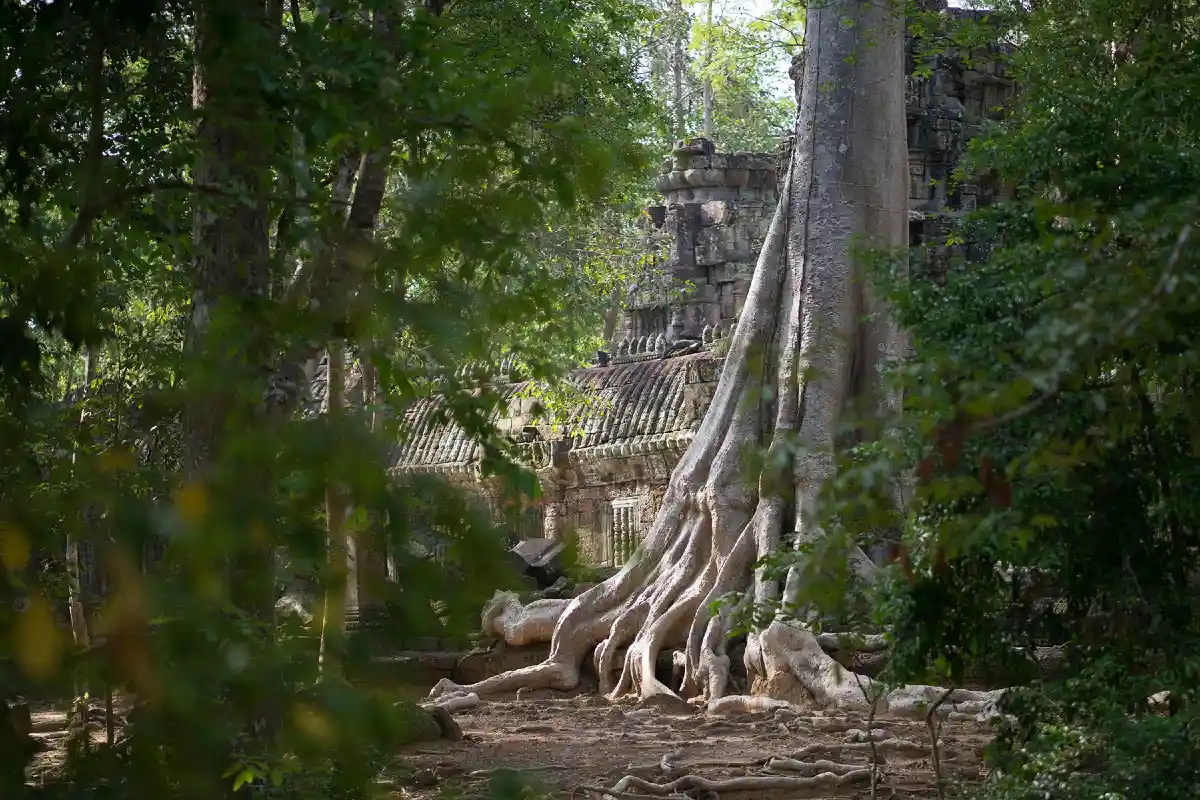
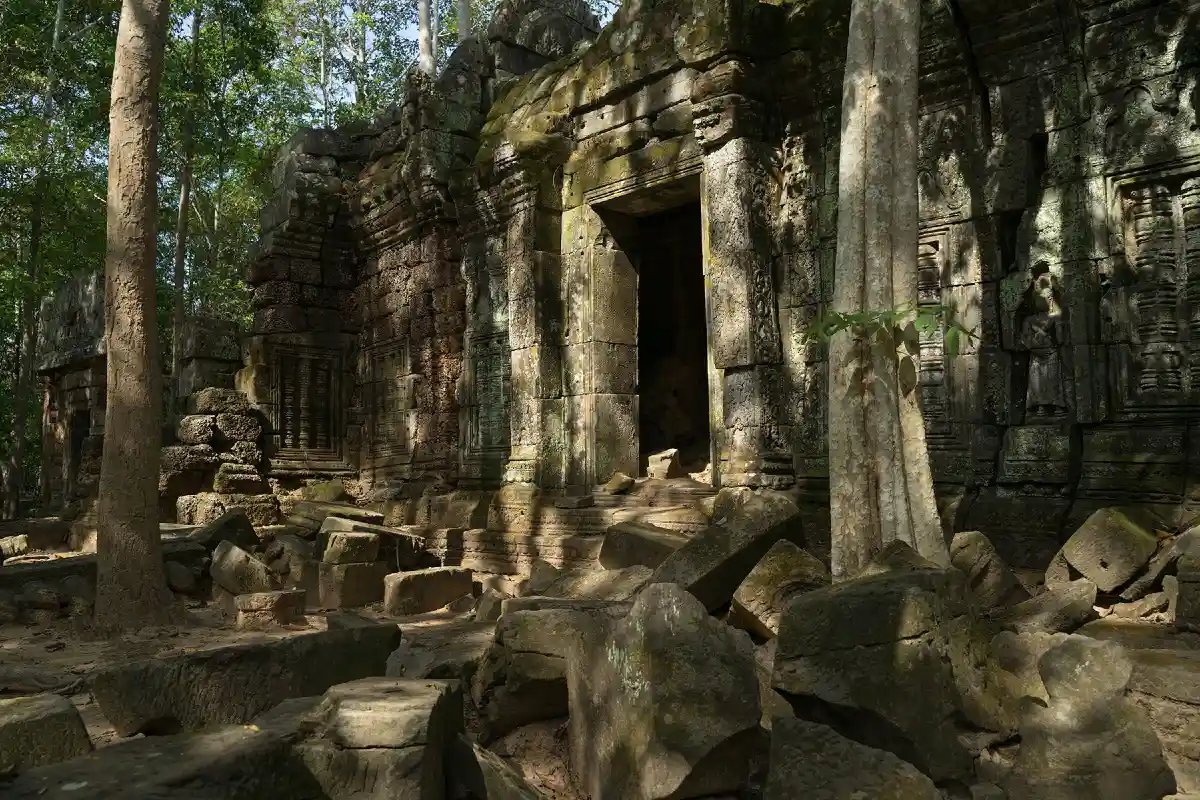
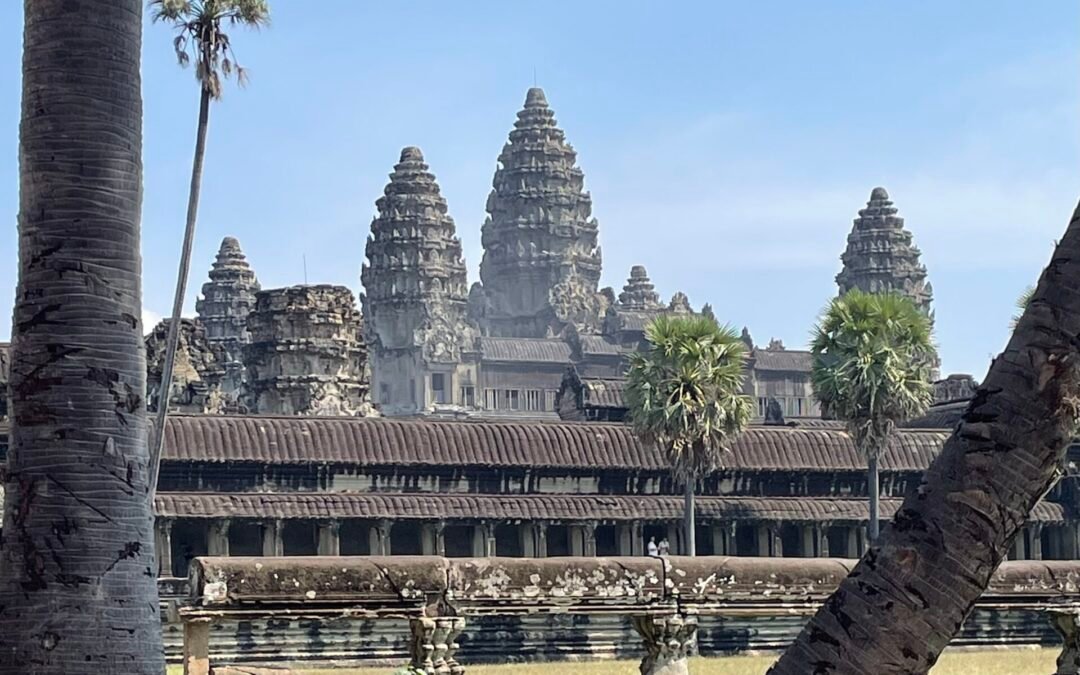
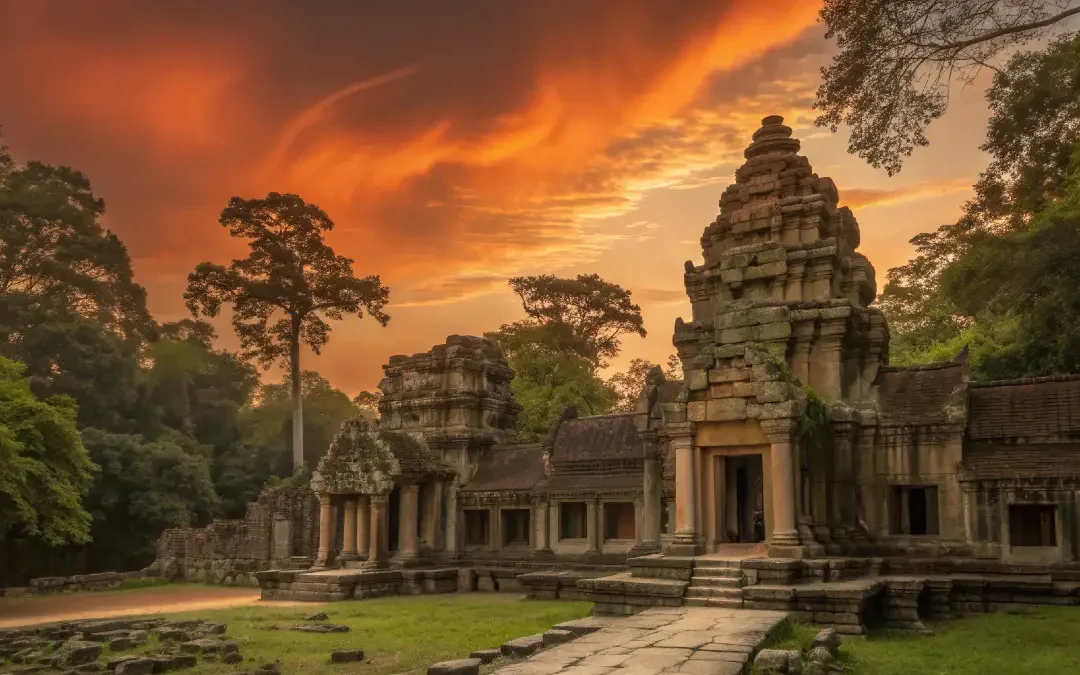
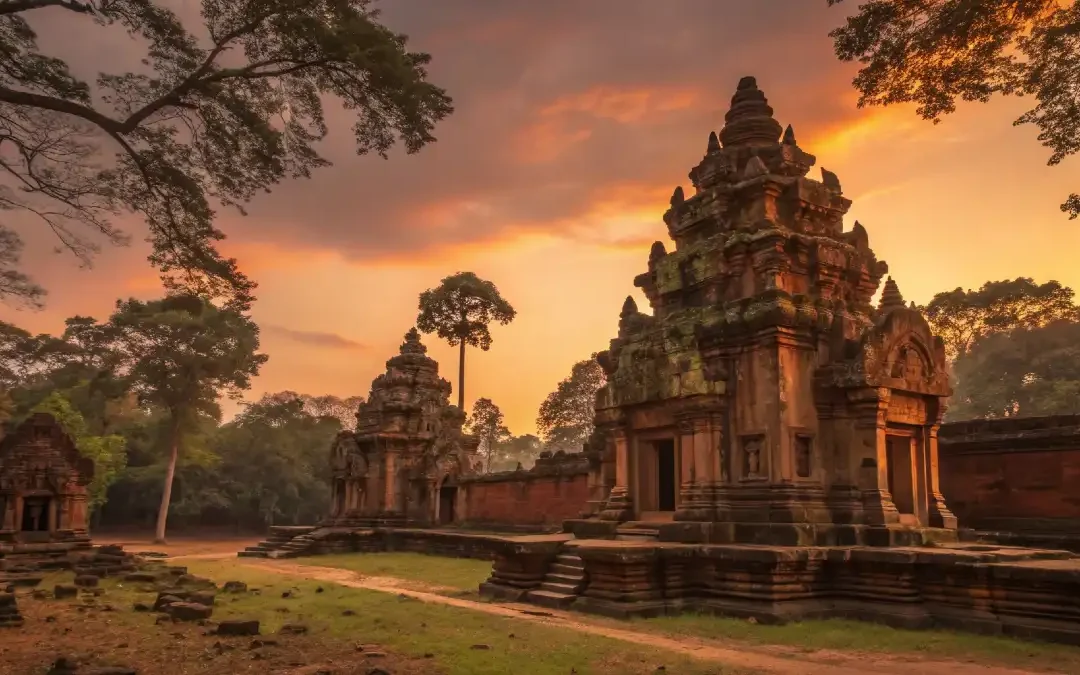
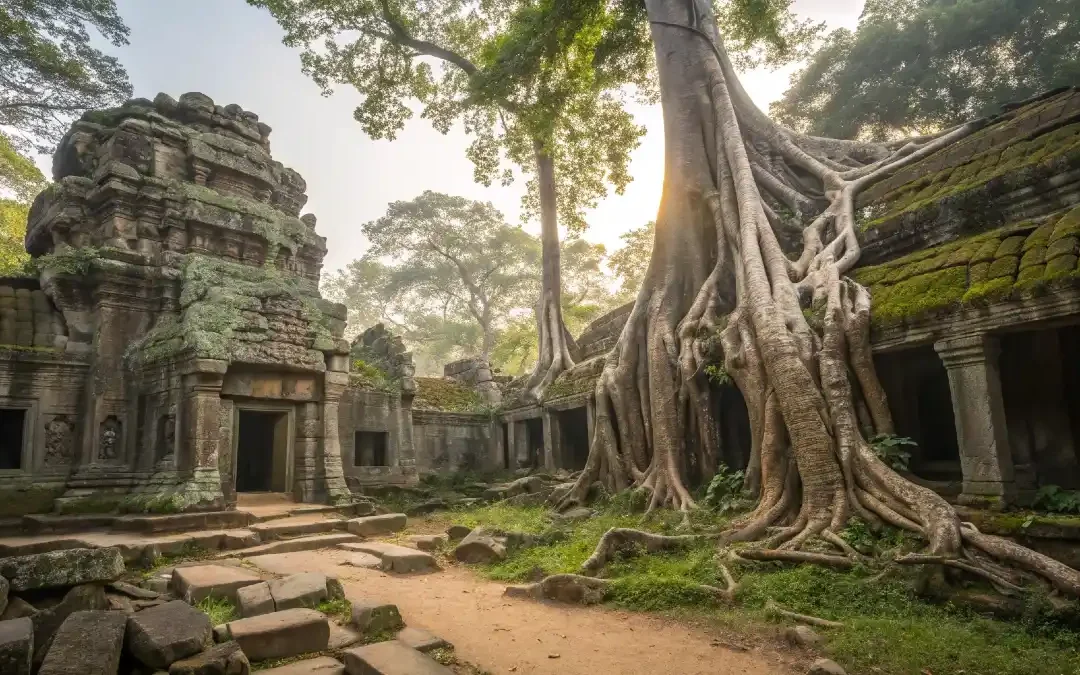
But it is not only the symbolism of the place that endures. Under the trees and plants hiding, you can find numerous ruins of temples, canals, and water reservoirs that continue to tell its story. Remnants of ancient quarries, where sandstone was extracted for monuments including Angkor Wat, can also be found here. Furthermore, archaeologists identify Phnom Kulen with the ancient city of Mahendraparvata, one of the earliest known Khmer settlements.
It is considered an early precursor of the later city of Angkor. Mahendraparvata (“Mountain of the Gods”) featured an elaborate grid-like street network, numerous carefully planned temple complexes, extensive water reservoirs, and a clear zoning of residential, administrative, and religious areas.
As the earliest known Khmer city to be identified as a hydraulic city, Mahendraparvata already employed sophisticated systems of canals, dikes, and reservoirs designed to control flooding, manage water distribution, and support agricultural irrigation. These features indicate a high level of centralized planning and technical knowledge at an early stage of Khmer urban development.
The rise of Mahendraparvata is closely linked to the consolidation of early Khmer state power and the establishment of royal authority in the region, particularly under Jayavarman II in the late eighth and early ninth centuries. Its location on the Kulen Plateau provided strategic, religious, and symbolic advantages, reinforcing its role as an early political and ceremonial center associated with royal ritual and cosmological concepts of kingship.
However, the city’s prominence appears to have been relatively short-lived. Over time, political and economic focus shifted toward the lowland regions, where larger and more sustainable hydraulic systems could be developed and maintained. Environmental constraints on the plateau, combined with changing dynastic priorities and the emergence of new urban centers in the Angkor plain, likely contributed to the gradual decline and eventual abandonment of Mahendraparvata.
A crucial link in understanding Cambodia’s beginnings.
Religion
For many Khmer, Phnom Kulen is a sacred place where the forces of nature and the divine converge. Its religious significance reaches back to the formative period of the early Khmer Empire, when the mountain was closely associated with the Hindu god Shiva and the ideological foundations of divine kingship. Shiva, revered as a creator and destroyer, embodied cosmic balance and renewal, qualities that resonated strongly with Khmer concepts of political order and royal legitimacy.
In early Khmer belief, Shiva was commonly worshipped in the form of the linga, a powerful symbol representing both the god’s generative force and the spiritual authority of the king. This form of worship became central to the devaraja cult, which bound the ruler to Shiva and established the king as a mediator between the human and divine realms. Phnom Kulen, regarded as a sacred mountain, played a key role in this religious landscape and is traditionally linked to the reign of Jayavarman II, who is believed to have performed foundational rituals here that affirmed his sovereignty.
On the summit stands the Preah Ang Thom Temple, home to the famous reclining Buddha statue. Today, this pagoda remains an important pilgrimage site for both Hindus and Buddhists, reflecting the long continuity and transformation of religious practice on the mountain, where earlier Shaivite traditions gradually merged with Buddhist beliefs.
A few metres away, the Kbal Spean River (“River of the Thousand Lingas”) flows over stone riverbeds carved with numerous lingas and other symbols of the Hindu god Shiva, many now partially covered with moss and vegetation. The ancient Khmer believed that as the river water flowed over these sacred carvings, it became sanctified and fertile, carrying divine power downstream to the rice fields and plains of the Angkor Empire. The carvings, dated to the 11th and 12th centuries, clearly mark the site as an important place of ritual and pilgrimage.
Stones bearing religious inscriptions can also be found hidden in the surrounding jungle or at the top of the mountain. These scattered remains underscore the enduring spiritual importance of Phnom Kulen and invite visitors to look closely at the landscape, where traces of ancient devotion are still embedded in stone and nature.
Nature
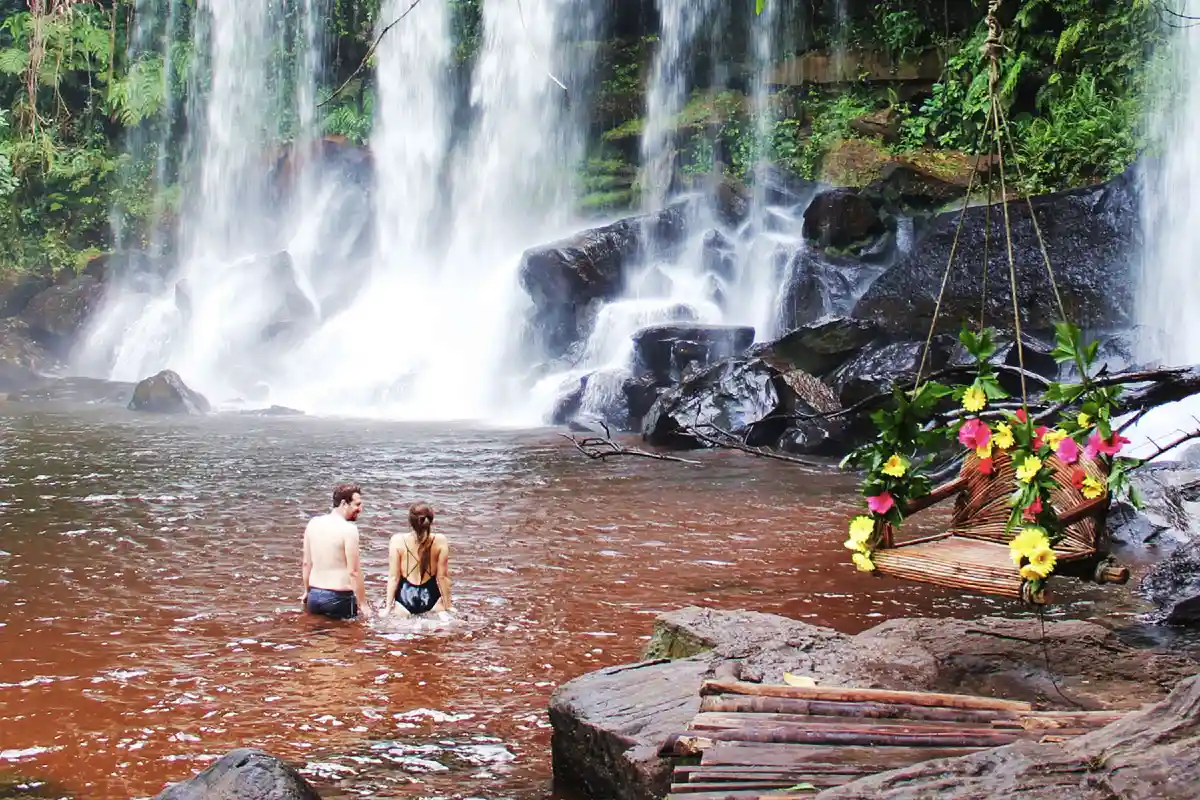
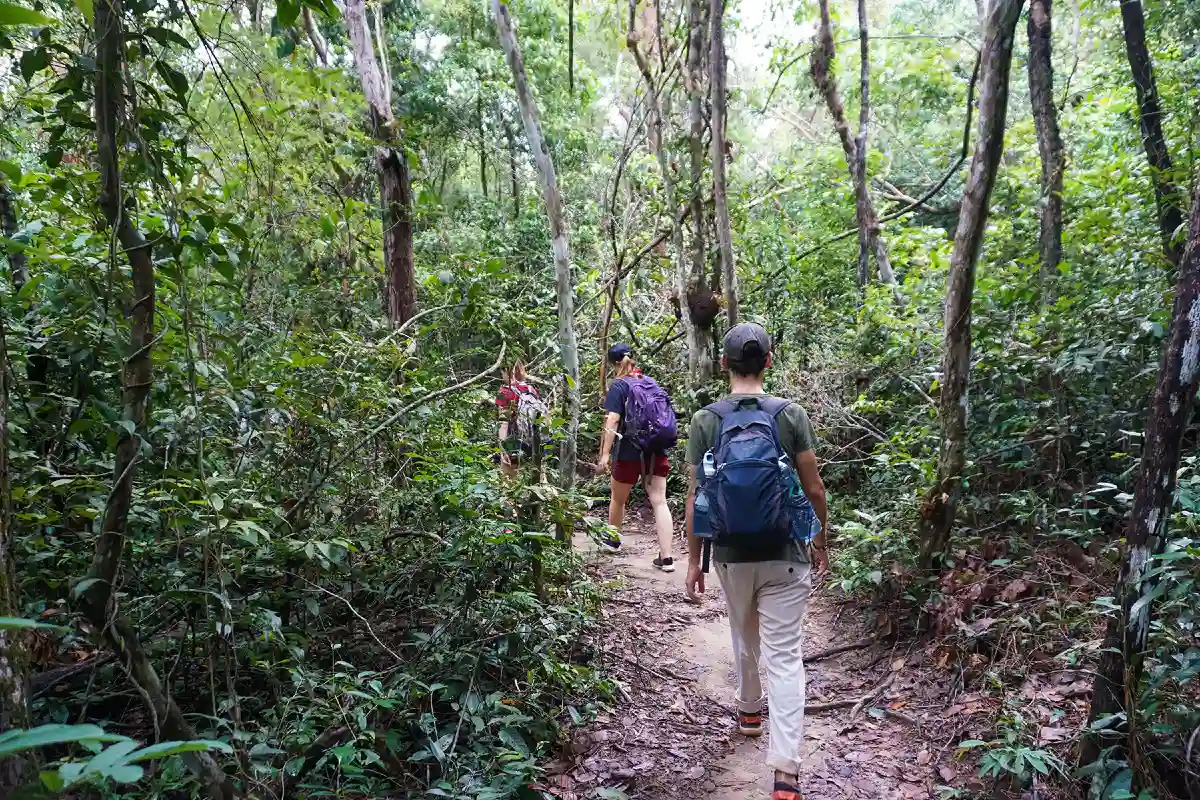
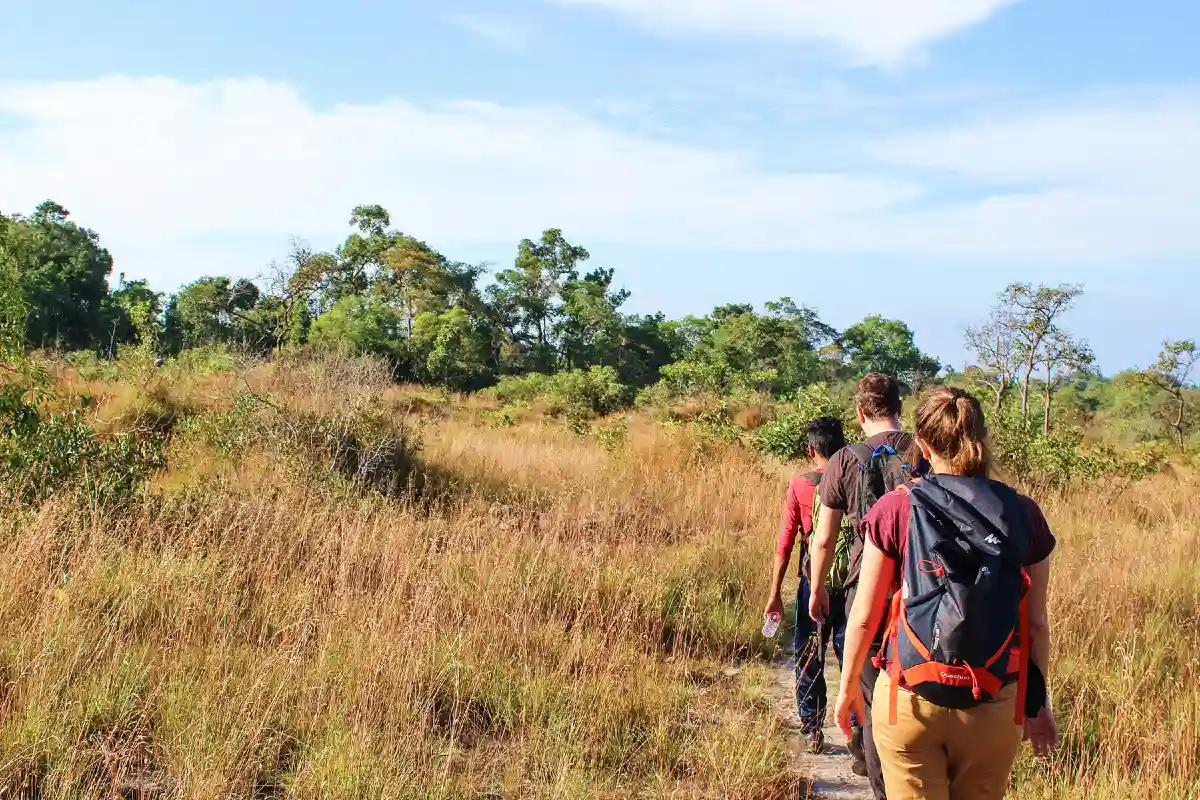
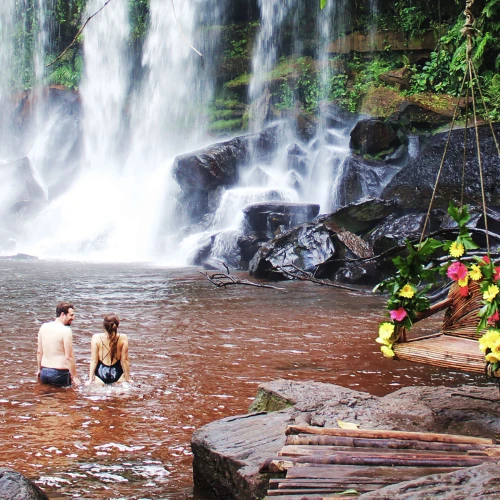
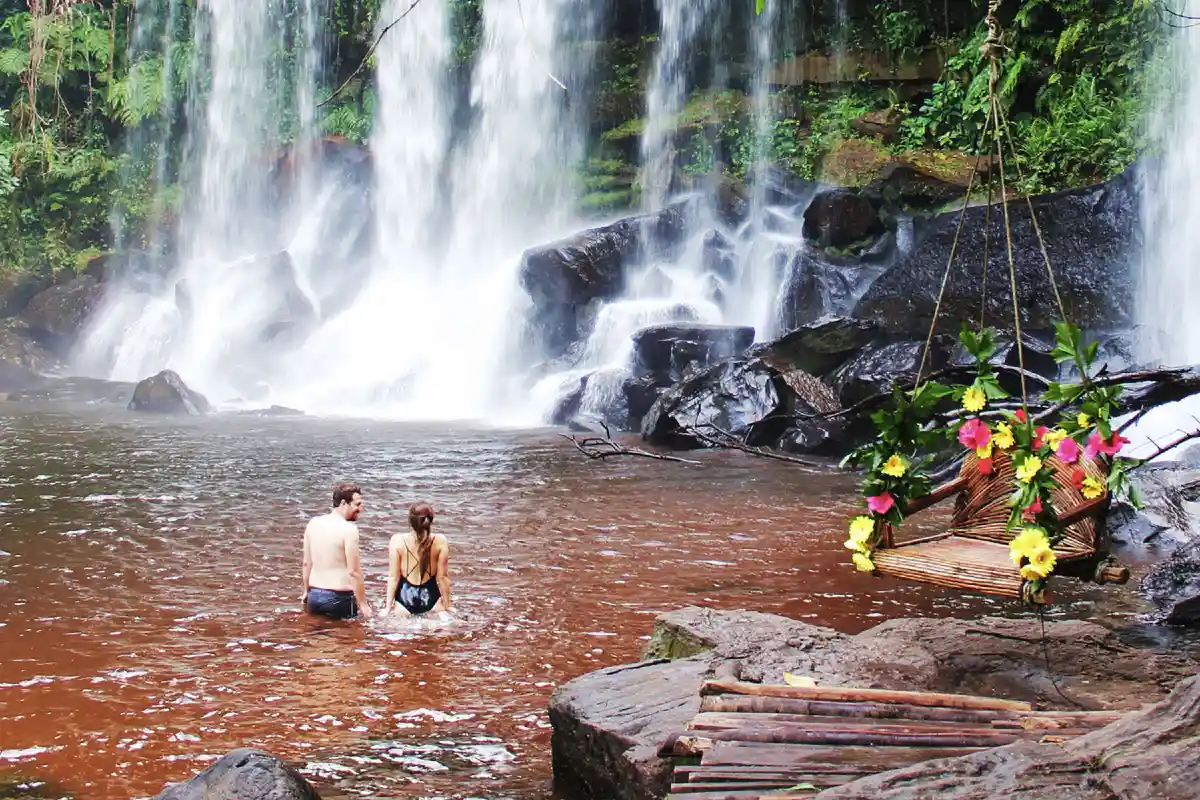
But it’s not just the ancient structures that make Phnom Kulen so special and a visit worth it. The dense jungle, rugged sandstone formations, crystal-clear rivers, and breathtaking waterfalls complete the mountain’s splendour. It’s no wonder that a large area surrounding it has been designated as a national park, offering a wealth of natural attractions and recreational opportunities. Several waterfall pools also offer the opportunity to swim and thus provide a little cooling off. But be aware that you don’t get too close to the waterfalls.
It’s also not unexpected to see several tropical animals, birds, and fish, because various animal species—including elephants—inhabit the nearby Kulen Elephant Forest.
The 400-hectare elephant retirement park, founded in 2018, is home to ten retired Angkor elephants. This makes it the largest herd of privately owned elephants in Cambodia. In 2023, the Kulen Elephant Forest received “Certified Facility” accreditation from leaders in elephant venue auditing. The Parked achieved an silver-level certification, covering 100% of the mandatory criteria and exceeding 70% of the advanced criteria. So it’s no surprise that the ACES (Captive Elephant Standards) director says, “Elephants at Kulen are well taken care of and performing a daily care routine that is not happening in usual camps.“ This makes it a true haven for nature lovers.
So, why should you visit Phnom Kulen?
Phnom Kulen is a place where Cambodia’s past and present meet—a mountain that shaped a nation.
It offers an unforgettable blend of ancient temples, sacred rivers, lush rainforest, and waterfalls, all within a few hours of Siem Reap.
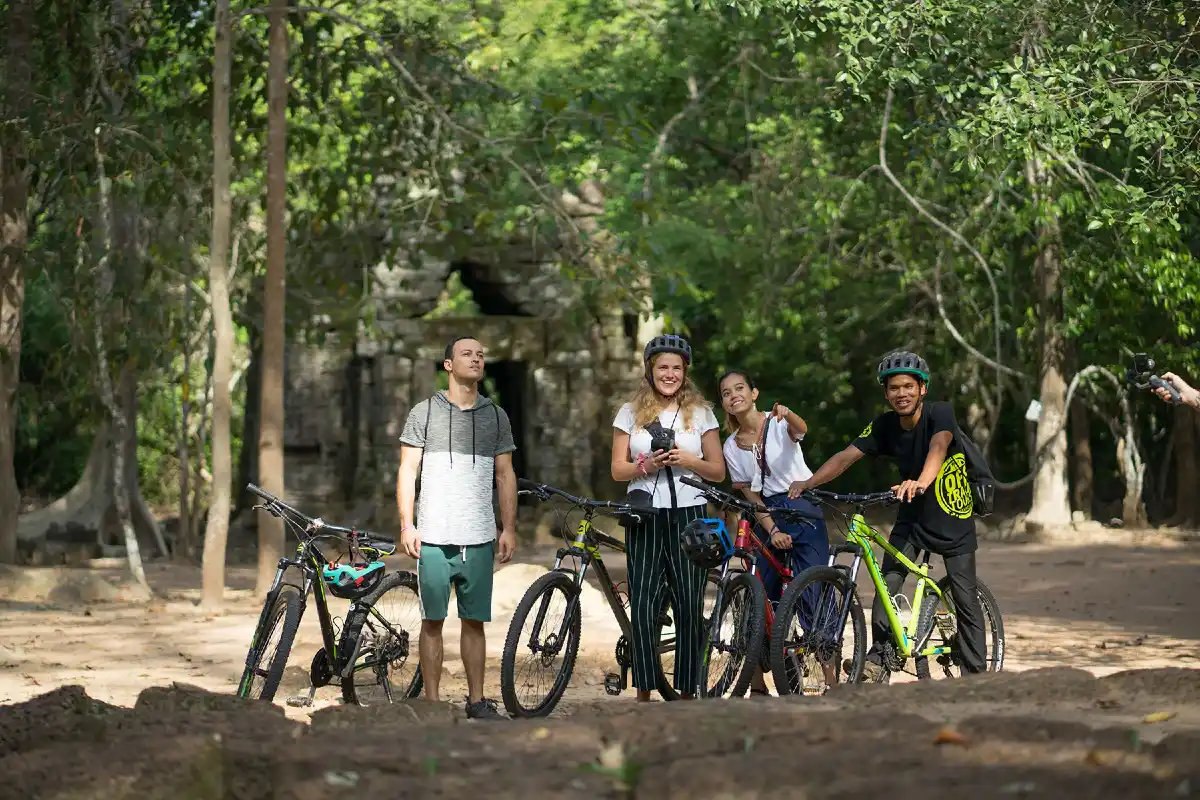
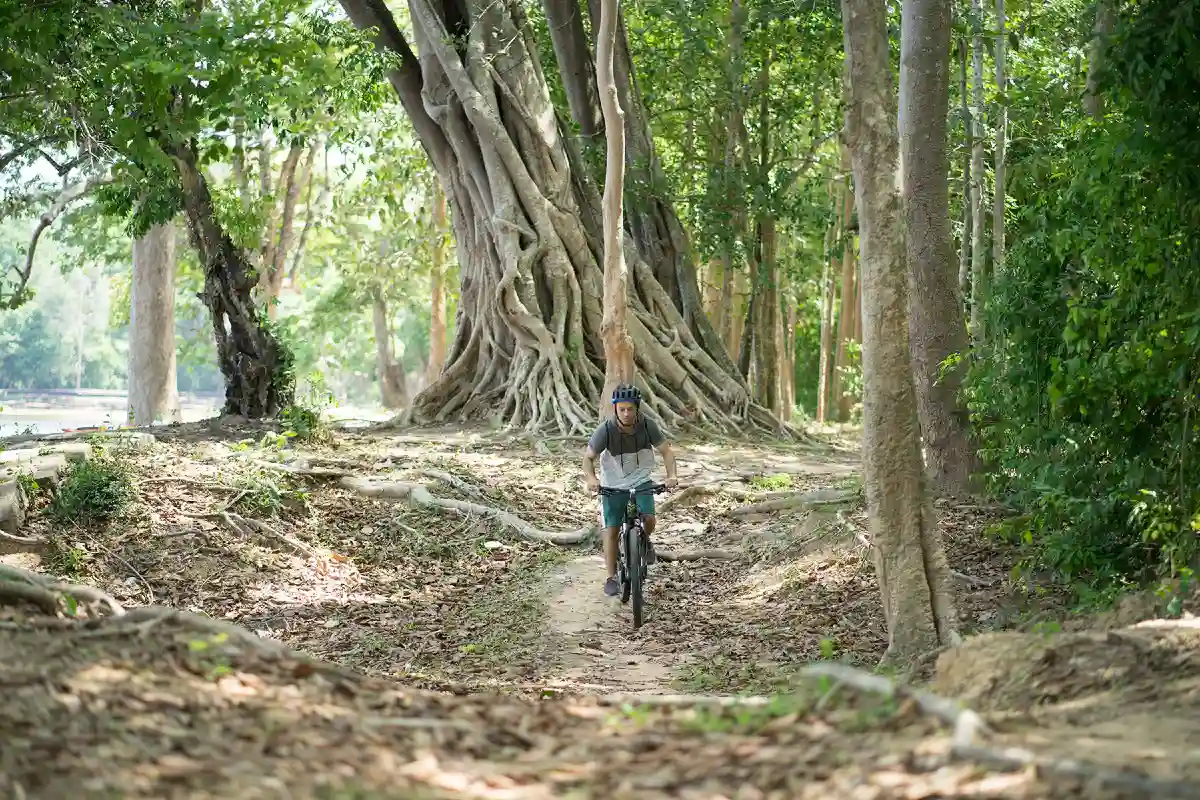
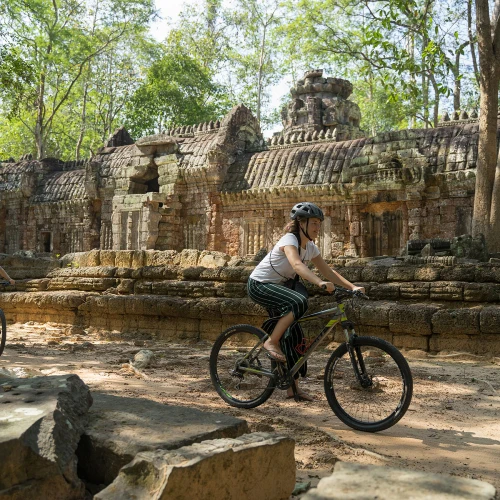
Whether you’re interested in history, photography, or simply nature, our Phnom Kulen Tour is a must-do experience during your stay in Cambodia. It’s a brilliant way to bring your visit to another level, and you will surely see some places you would otherwise
(Please note that not every mentioned attraction is included in ervery tour. For further information, please visit the website of the respective tour)
Travel Tips
Our tours take care of everything for your day trip, including the Phnom Kulen National Park entry ticket, breakfast, and lunch. Snacks and bottled water are also provided.
Please note that, for religious reasons, both knees and shoulders must be covered during your visit.
Thank you for your interest in Cambodian culture — we look forward to welcoming you soon to our Phnom Kulen Trekking Tours.