Travel
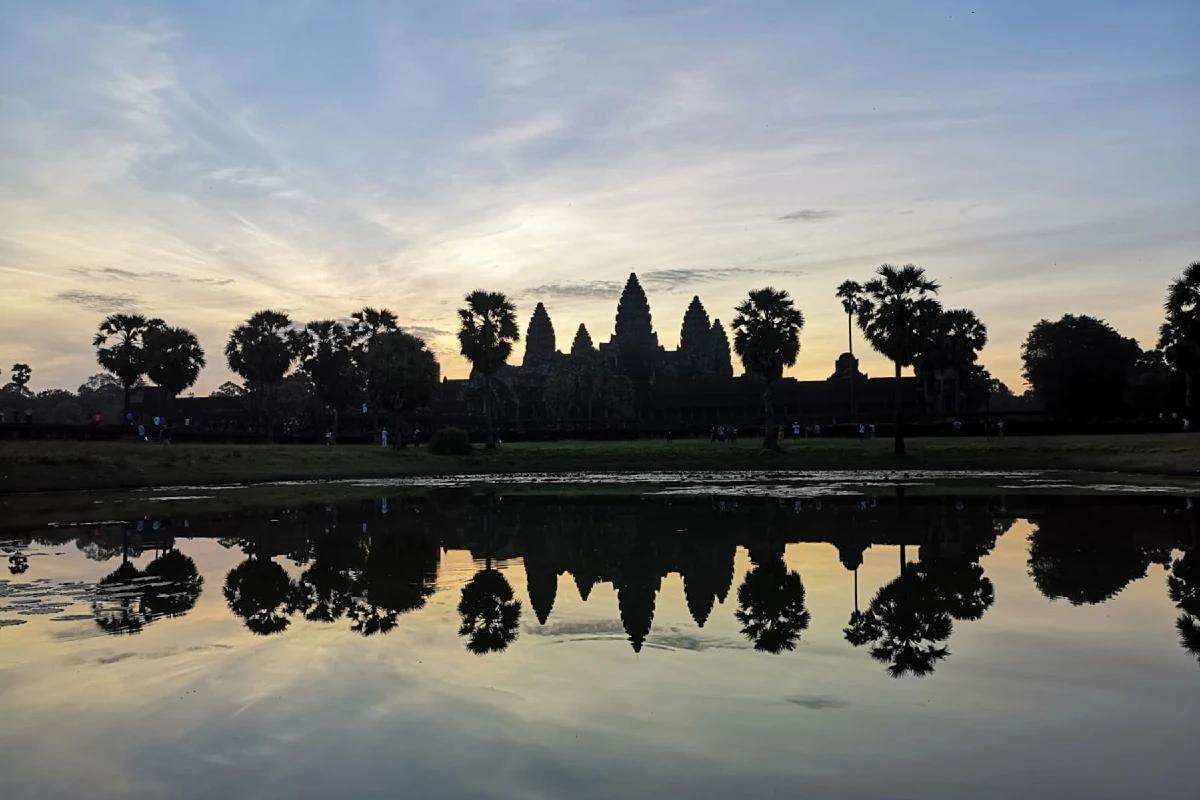
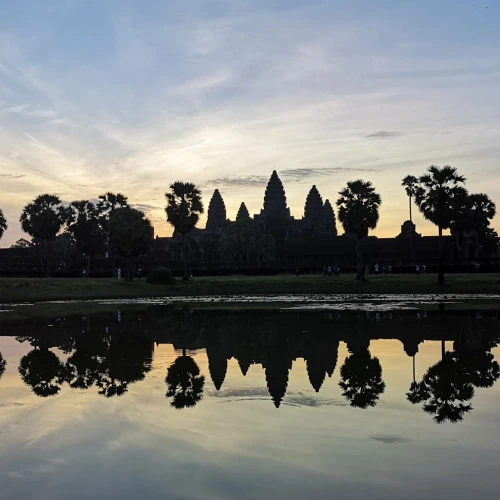
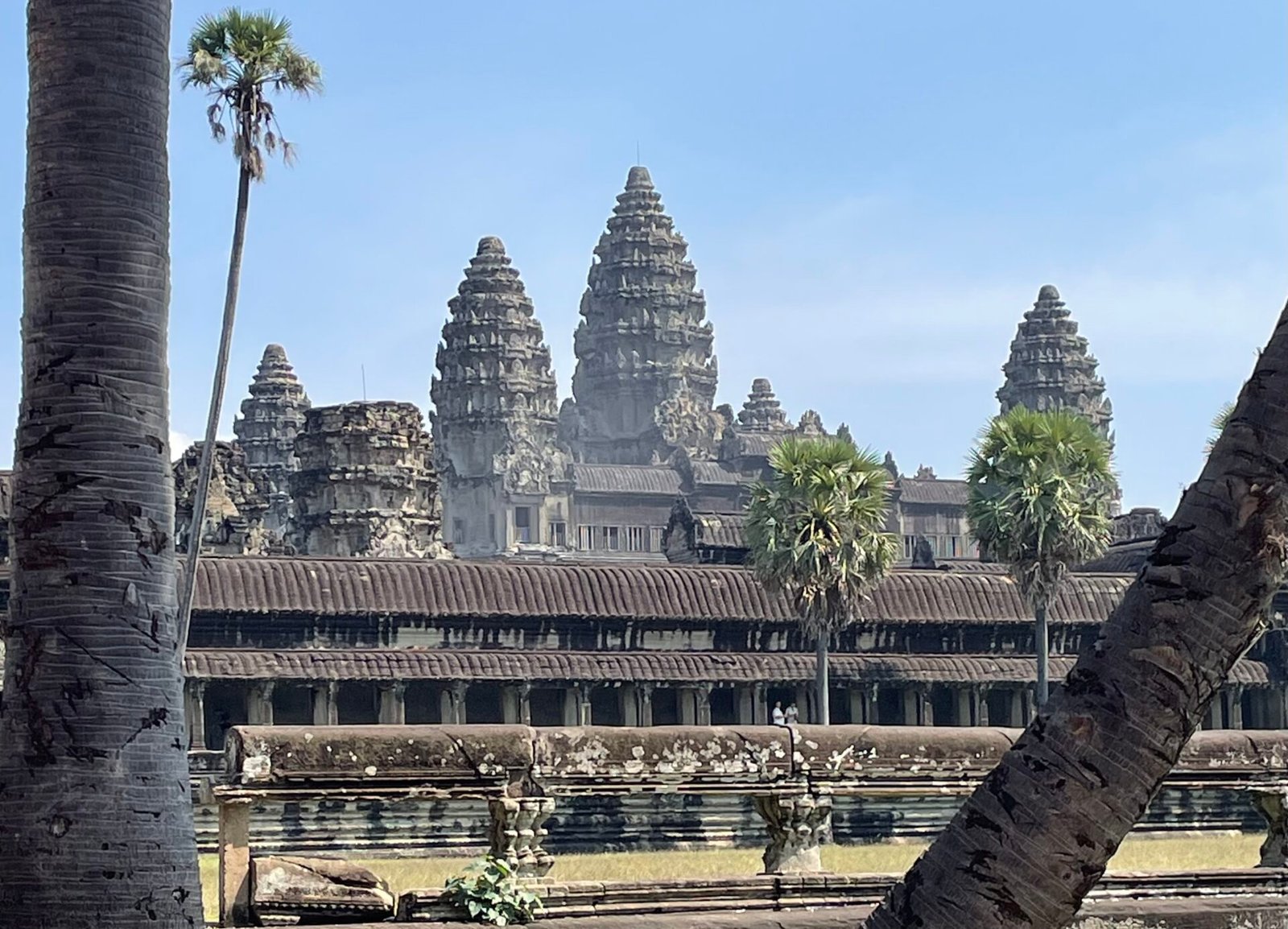
Angkor Wat is one of the most impressive structures on the planet, displaying an extraordinary level of architectural precision from the first stone to the last. For example, it appears that at the equinoxes the sun rises almost perfectly above the temple’s central tower when viewed from the western entrance. However, while most temples of the Khmer Empireare oriented toward the east, Angkor Wat is aligned in the opposite direction.
Why Does Angkor Wat Face West?
Most Hindu temples face east, toward the sunrise. This orientation carries strong religious and symbolic meaning. Many temples from the Angkor period are dedicated to the god Shiva and follow this traditional layout. By facing east, the first light of the day falls upon the temple entrance, symbolizing a connection to the divine. In Hinduism, the east is also associated with new beginnings, life, and rebirth.
Angkor Wat, however, faces west. In symbolic terms, the west—like the setting sun—can represent the end of a cycle, death, and the afterlife. One possible explanation for this unusual orientation lies in the temple’s religious dedication.
Unlike most other temples in Angkor, Angkor Wat is dedicated to the god Vishnu rather than Shiva. In Hindu belief, Vishnu is regarded as the preserver of the universe, responsible for maintaining the balance between good and evil. He is typically depicted with blue skin and four arms, often holding symbolic objects such as a lotus flower, a conch shell, a discus, and a mace. Vishnu is sometimes associated with the western direction, which may explain why Angkor Wat faces west in his honor.
Another interpretation suggests that Angkor Wat may also have served as a kind of funerary monument for King Suryavarman II, the ruler who commissioned the temple in the 12th century. This theory is supported not only by the temple’s westward orientation but also by the reliefs within the temple, which depict themes such as heaven, hell, and the cosmic order. In addition, some of the narrative reliefs are arranged in a counter-clockwise direction, a movement that is sometimes associated with funerary rituals.
However, this interpretation remains controversial.
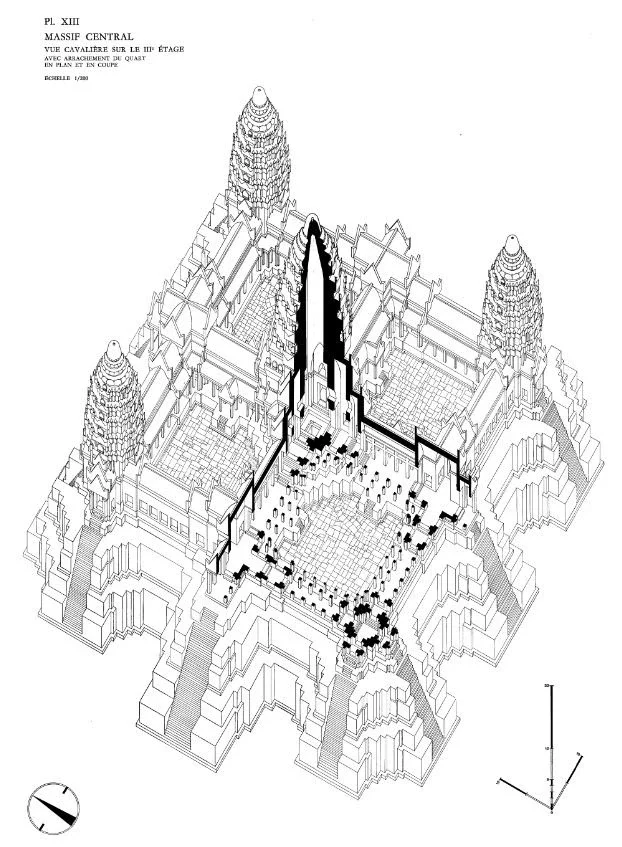
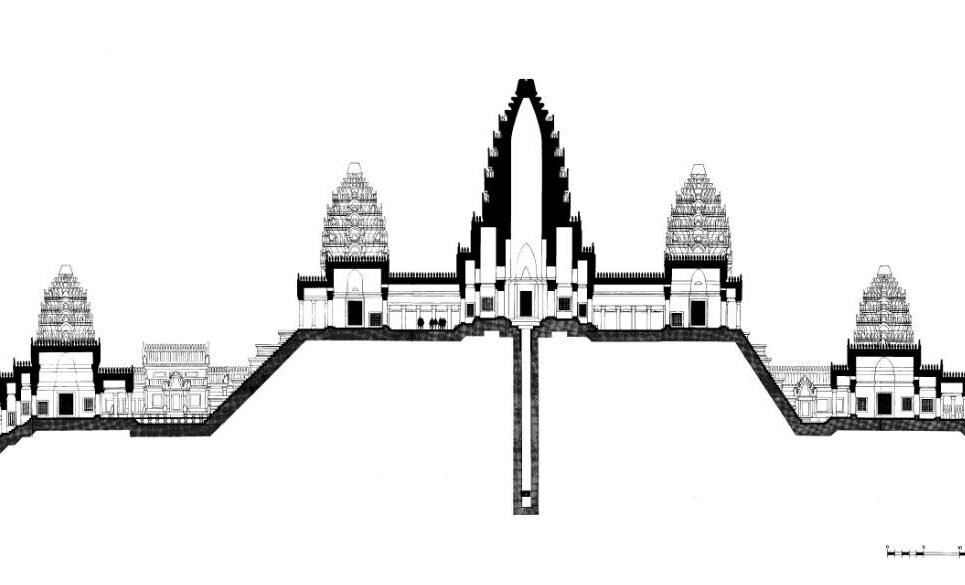
No confirmed tomb, grave goods, or sarcophagus of Suryavarman II has ever been discovered within Angkor Wat. Furthermore, the temple does not strongly resemble typical funerary architecture. On the contrary, its design closely follows the cosmological structure of Hindu temples. The central towers symbolize Mount Meru, the mythical home of the gods, while the surrounding walls and the vast moat represent the cosmic ocean.
Therefore, many scholars believe that Angkor Wat functioned primarily as a state temple and a symbol of royal authority. The unusual westward orientation may also have served to emphasize the uniqueness of the temple and the special status of the king.
Ultimately, there is no single, universally accepted explanation for why Angkor Wat faces west. However, the most widely supported interpretation is that the temple’s orientation reflects its dedication to Vishnu.